
Why Every Child Should Try an Individual Sport

At the end of last term, while collecting the learners from school, I bumped into one of our learner’s register teachers. We spoke about his progress, where he was falling short, and what might help him improve.
She made a few useful suggestions, but one stayed with me.
“He should do an individual sport. It will help with his focus and teach him discipline.”
Right there, it clicked. Why is this not a more common recommendation?
Most schools and families naturally push children towards team sports. Rugby, netball, hockey, cricket, and soccer are easy to access, familiar, and often part of school culture. They offer real value. But individual sports develop a different set of skills, and many children need exactly those skills.
An individual sport can help a child learn how to focus, manage pressure, set personal goals, and take ownership of their progress. Those lessons do not stay on the track, in the pool, on the court, or in the ring. They follow a child into the classroom, into friendships, and into everyday life.
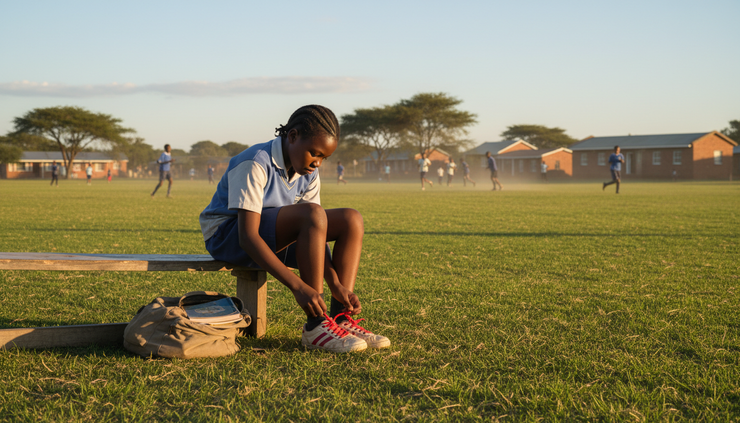
Team sports and individual sports teach different lessons
Team sports are athletic activities where a group of players work together to compete against another team. Rugby, netball, hockey, soccer, and cricket are common examples in South African schools.
They teach children how to work with others. A child learns to pass, listen, communicate, read the game, and understand their role in a bigger plan. These are valuable life skills.
Team sports often build:
Communication
Strategising
Coordination
Cooperation
Empathy
Trust in others
Shared responsibility
There is a special kind of joy in being part of a team. Children learn that the result does not depend on one person only. They also learn how to win and lose together.
Individual sports work differently.
An individual sport is an athletic activity where the child competes mainly as an individual. Some examples include running, swimming, cycling, tennis, golf, gymnastics, martial arts, boxing, athletics, and dance sport. Some of these can still include teams or squads, but the child’s performance is often measured personally.
The key difference is simple. In an individual sport, the child cannot hide behind the group. They also do not have to wait for the group to improve before they can grow.
That creates a powerful learning space.
Individual sports build ownership
In a team sport, a child can have a difficult match and still win because the team played well. They can also play brilliantly and lose because the team struggled.
That is part of sport, and it teaches many good lessons.
But in an individual sport, the link between effort and progress becomes much clearer. If a swimmer improves their time, they can see the result of training. If a runner completes a longer distance than before, they feel the improvement in their own body. If a tennis player learns to serve more consistently, they know it came from practice.
This helps children understand a vital truth: their choices matter.
They start to connect small habits with real outcomes.
Showing up for training matters. Listening to feedback matters. Trying again after a mistake matters. Sleeping well before an event matters. Warming up properly matters.
These lessons are not abstract. They are felt directly.
A child who learns this through sport may begin to apply the same idea elsewhere. Homework feels less like punishment when the child understands progress. Reading practice becomes less frustrating when they have already experienced slow improvement in another area.
Ownership is not the same as pressure. It does not mean a child must carry everything alone. A good coach, instructor, parent, or club environment still matters. But the child learns that they are not powerless. They have a role to play in their own growth.
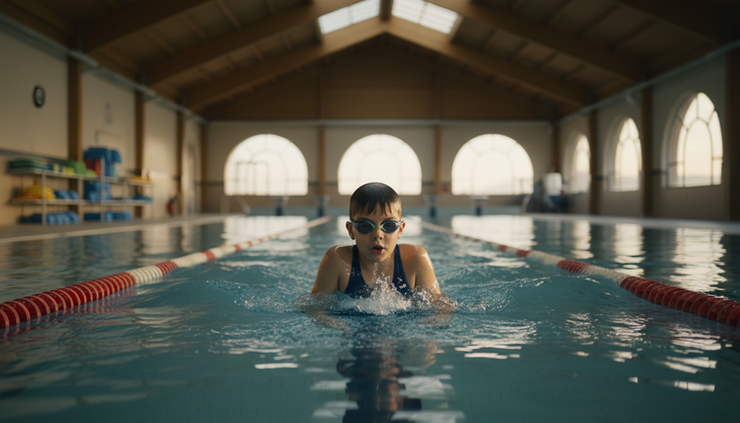
They allow children to progress at their own pace
One of the most helpful parts of individual sport is that progress can be personal.
Not every child develops at the same speed. Some children are naturally fast, strong, or coordinated. Others need more time. Some are confident in groups. Others shut down when they feel watched or compared.
Individual sports make room for different starting points.
A child who starts running does not need to beat everyone in the first week. They can aim to finish a short route without stopping. A child who starts swimming can work on breathing before worrying about speed. A child who starts martial arts can focus on balance, listening, and body control before grading.
This matters because confidence grows through achievable wins.
For many children, the first win is not a medal. It is:
Completing a session without giving up
Learning a new movement
Improving a personal time
Remembering a sequence
Staying calm under pressure
Trying again after frustration
These wins are small, but they are not minor. They teach children that improvement is possible.
This can be especially helpful for children who feel overshadowed in team environments. In a large team, the naturally sporty children often stand out quickly. A quieter or less physically confident child may start to believe sport is “not for them”.
An individual sport can change that story.
The child gets a clearer view of their own progress. They are not only comparing themselves to the strongest player in the team. They are learning to compare today’s effort with yesterday’s effort.
That shift can be powerful.
Focus becomes part of the routine
The teacher’s comment about focus stood out for good reason.
Many individual sports require a child to pay close attention to one task at a time. In swimming, the child must think about breathing, rhythm, body position, and the wall. In golf, they must slow down, line up, and repeat a controlled movement. In boxing or martial arts, they must listen carefully and respond with discipline. In running, they must manage pace and breathing.
This kind of focus is practical. It is trained through action.
Children often hear adults say, “Concentrate.” But concentration can feel vague. What must they actually do?
Sport gives concentration a shape.
A coach might say:
Watch the ball
Keep your hands up
Stay in your lane
Listen for the whistle
Breathe before you move
Try the stroke again slowly
These instructions are clear. The child learns to bring their attention back to the task, again and again.
That is focus.
It does not happen perfectly. Children still get distracted. They still lose interest. They still have off days. But repeated practice helps them build the mental muscle of returning to the moment.
For a child who struggles to sit still or stay on task, this can be a useful bridge. They experience focus through movement before being expected to use it only at a desk.
Discipline becomes something they practise, not just something they are told about
Discipline is often misunderstood. It is not only about being strict or following rules. At its best, discipline is the ability to do what is needed, even when it is not easy.
Individual sports teach this in a very real way.
A runner cannot improve without regular training. A swimmer cannot master a stroke by trying once. A tennis player cannot build consistency without repetition. A boxer cannot ignore footwork and expect to move well.
Children learn that progress takes time.
They also learn that feelings change. Some days they feel motivated. Some days they do not. Training still asks something of them.
This is a healthy lesson when handled with care. It should never become harsh, obsessive, or shame-based. Children need rest, encouragement, and balance. They also need adults to watch for signs of too much pressure.
But gentle, steady discipline can help children grow.
It might look like packing a sports bag the night before. Arriving on time. Practising a skill for ten minutes. Listening respectfully. Cooling down properly. Caring for equipment. Thanking a coach.
These habits build character quietly.
Discipline becomes less of a lecture and more of a lived experience.
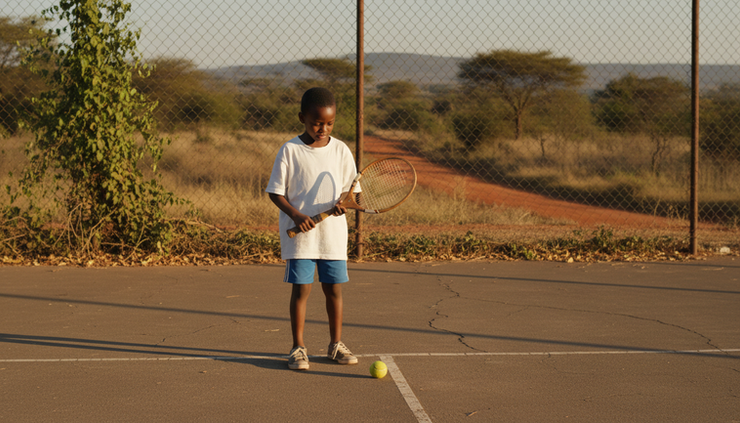
Individual sports can support emotional growth
Children face pressure in many forms. School marks, friendships, screens, comparisons, and busy schedules all add noise. Sport can either add to that pressure or help children manage it. The difference often lies in the environment and the expectations around the child.
A well-chosen individual sport can teach emotional regulation.
When a child misses a shot, false-starts, loses a point, or gets tired before the finish, they meet frustration. They must decide what to do next. Do they give up? Do they blame someone else? Do they breathe, reset, and try again?
That moment is valuable.
Individual sports create many chances to practise:
Patience
Resilience
Self-control
Courage
Honest self-reflection
Managing disappointment
These are not soft lessons. They are hard-earned.
A child who learns to lose a race without falling apart is learning emotional strength. A child who learns to accept correction from a coach is learning humility. A child who learns to try after a poor performance is learning resilience.
Parents often want children to become confident. Individual sport can help, but not because the child always wins. It helps because the child learns they can survive difficulty and keep going.
That is a deeper kind of confidence.
They still learn social skills
One concern about individual sports is that they may be lonely. That can happen if the activity is poorly matched or too isolated. But many individual sports still happen in social spaces.
Swimmers train in squads. Runners join clubs or school athletics groups. Tennis players practise with partners. Martial arts classes have groups. Gymnasts train alongside others. Cyclists often ride in supervised groups.
The child still learns to greet, listen, wait their turn, respect others, and encourage peers.
The social lesson is simply different. Instead of relying on teammates during a match, the child learns to share space while taking responsibility for their own effort.
That balance can suit many children.
It can be especially helpful for a child who feels overwhelmed in big team settings. They still get connection, but with clearer personal boundaries and less constant group pressure.
Choosing the right individual sport matters
The best individual sport is not always the most popular one. It is the one the child can enjoy enough to keep trying.
Interest matters. So does temperament, budget, access, transport, safety, and the quality of coaching. In towns like Secunda and across South Africa, availability will differ from school to school and club to club. Some families may have easy access to athletics, swimming, tennis, cycling, dance, or martial arts. Others may need to start with something simple, like running or skipping at home.
A good starting point is to look for a sport that offers:
A safe and respectful environment
Age-appropriate coaching
Clear routines
Room for beginners
Encouragement without unhealthy pressure
A realistic schedule for the family
It also helps to let the child try before committing long term. A few sessions can reveal a lot. Some children light up in the water. Some prefer the structure of martial arts. Some enjoy the quiet challenge of golf. Some need the movement and freedom of running.
The goal is not to create a champion. The goal is to help a child grow.
Team sports are still valuable
To be clear, this is not an argument against team sports.
Children can gain wonderful lessons from rugby, netball, hockey, cricket, soccer, and other team activities. Team sport can build friendships, school spirit, communication, and empathy. Many children thrive in that setting.
The point is that team sports should not be the only option we take seriously.
Some children need the shared energy of a team. Some need the personal challenge of an individual sport. Many benefit from both at different stages.
Parents, teachers, and coaches should have more than one tool in the toolbox. When a child struggles with focus, confidence, discipline, or independence, an individual sport may be a practical and positive next step.
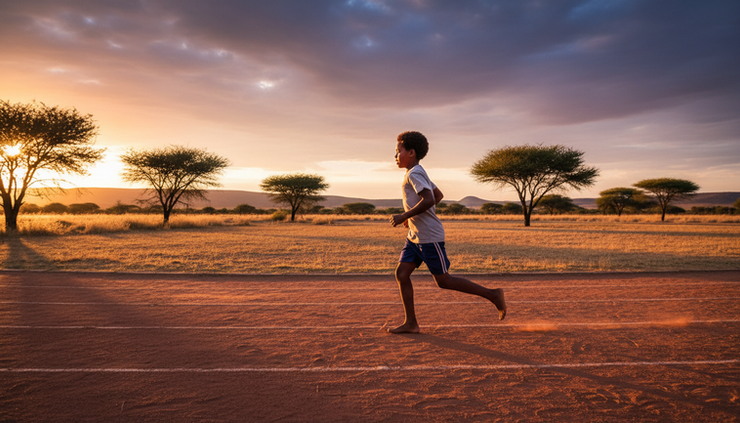
A simple place to start
A child does not need expensive gear or a packed schedule to begin. Start small.
Choose one activity. Try it for a few weeks. Keep the focus on effort, learning, and enjoyment. Ask simple questions after practice.
What felt better today?
What was difficult?
What did the coach teach you?
What do you want to try next time?
Those questions help children reflect without feeling judged.
An individual sport gives a child a place to meet themselves. They learn what effort feels like. They learn how progress happens. They learn how to stand alone without feeling alone.
That is why every child should try an individual sport, at least once. Not because every child will become an athlete, but because every child deserves the chance to discover their own discipline, focus, and strength.
Comments